Have you ever typed cuter or cutier and stopped to wonder which one looks right?
You are not alone. Many English learners and native speakers pause when changing cute into its comparative form.
The confusion comes from the way English changes adjectives when they become comparative.
Cuter is correct. Cutier is incorrect.
The word cute already ends in a silent e, so English drops the final e before adding -er.
This small spelling rule can help you with many other adjectives too.
Understanding it makes your writing cleaner and helps you avoid common spelling mistakes in school, work, emails, and social media.
In this guide, we will explain cuter or cutier, show the correct grammar rule, compare British and American English, give everyday examples, and answer common questions.
Cuter or Cutier – Quick Answer
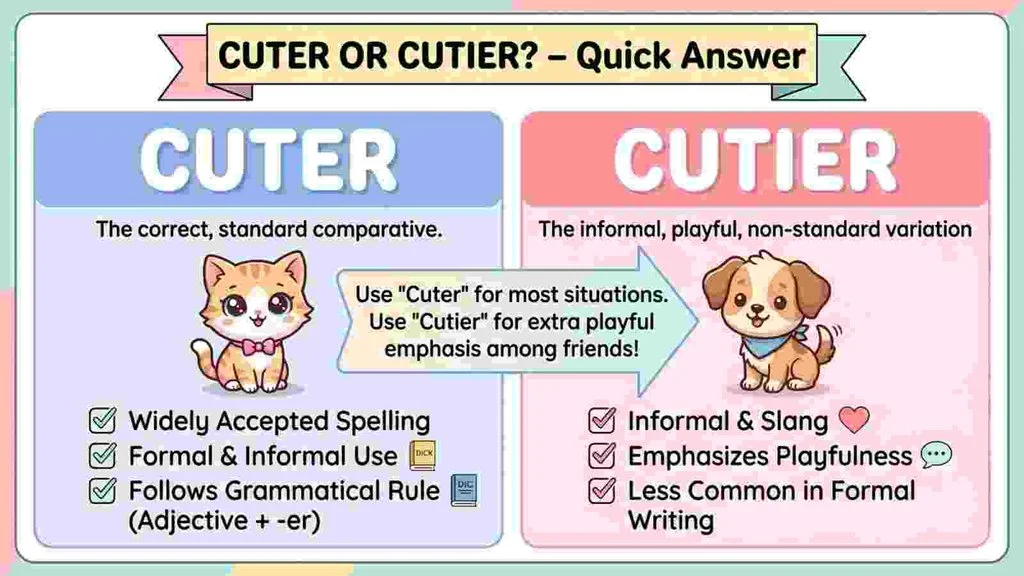
Cuter is the correct spelling.
The adjective cute becomes cuter when you compare two people, animals, objects, or things.
| Form | Correct? | Example |
| Cute | ✅ Yes | This puppy is cute. |
| Cuter | ✅ Yes | This puppy is cuter than that one. |
| Cutest | ✅ Yes | This is the cutest puppy. |
| Cutier | ❌ No | Avoid this spelling. |
Cutier or Cuter: Which Is Correct?
Cuter is the correct and standard comparative form of “cute.” It means more attractive, sweet, or adorable than someone or something else.
For example, “This puppy is cuter than that one.” Although people sometimes use “cutier” in casual conversations, it is generally considered nonstandard. If you want to use correct English in writing, choose cuter.
What Does Cuter Mean?
The word cuter describes someone or something that looks more adorable or charming. It is formed by adding -r to “cute,” which already ends in e.
You can use it when comparing two people, animals, objects, or pictures. For example, “Your new baby photo is cuter than the old one.” It is common in everyday conversations, social media captions, and friendly messages.
Is Cutier a Real Word?
Cutier occasionally appears in informal speech or online writing, but it is not the standard form recommended by most English dictionaries and grammar guides.
English usually forms the comparative of adjectives ending in silent e by adding -r, as in “nice → nicer” and “cute → cuter.” Therefore, using “cutier” may sound unnatural to many English speakers. For correct grammar, always prefer cuter.
Cutier vs. Cuter: Examples in Sentences
Here are some examples showing how to use cuter correctly:
- This kitten is cuter than the other one.
- You look cuter with that hairstyle.
- That is the cutest puppy I have ever seen.
- Your new profile picture is cuter than your previous one.
- Both dresses are cute, but the pink one is cuter.
These examples demonstrate how “cuter” compares two things, while “cutest” describes the highest degree of cuteness among three or more things.
Why Is It “Cuter”?
The basic adjective is cute. When we add -er, we remove the final silent e:
cute + er → cuter
Other examples follow the same pattern:
- nice → nicer
- large → larger
- safe → safer
- late → later
- brave → braver
So, if you are wondering whether to write cuter or cutier, choose cuter.
Examples
- Your new puppy is cuter than mine.
- This dress looks cuter in blue.
- My little sister thinks the kitten is cuter.
- Which picture is cuter?
- The second design is cuter and more colorful.
The Origin of Cuter
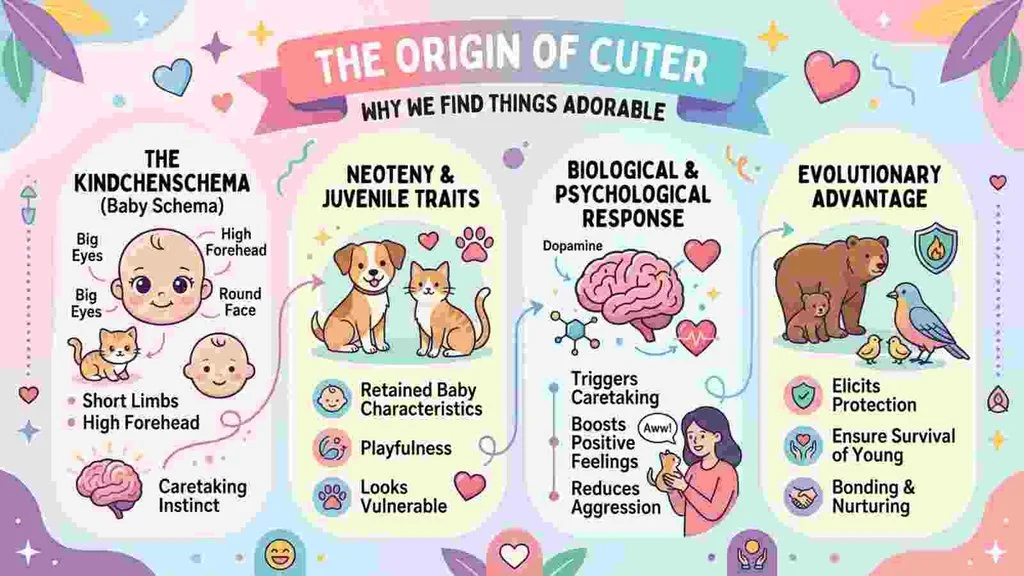
The word cute is a shortened form of acute, which historically meant things such as clever, sharp, or perceptive. Over time, cute developed its modern meaning of attractive, charming, or endearing.
The comparative form follows a common English spelling pattern. Instead of keeping the final e and adding -er, English normally removes the silent e:
cute → cuter
This is why cutier does not follow the standard spelling pattern.
English has many adjectives that change when -er is added. The exact spelling rule depends on the ending of the adjective.
For example:
- cute → cuter
- fine → finer
- wide → wider
- simple → simpler
The spelling cutier may look logical because some adjectives ending in -y change y to i before -er. For example:
- happy → happier
- pretty → prettier
- busy → busier
However, cute does not end in y, so this rule does not apply.
Cute, Cuter, Cutest: Difference
What Does Cute Mean?
Cute is an adjective used to describe someone or something that looks attractive, sweet, charming, or adorable.
It can describe babies, animals, clothes, pictures, and small objects. For example, “That kitten is cute” means the kitten looks lovely and adorable.
What Does Cuter Mean?
Cuter is the comparative form of cute, used when comparing two people, animals, or things. It means one is more adorable or charming than the other.
For example, “This puppy is cuter than that puppy” shows that one puppy looks more adorable.
What Does Cutest Mean?
Cutest is the superlative form of cute, used to describe the most adorable person or thing among three or more. It expresses the highest degree of cuteness.
For example, “She has the cutest baby in the family” means the baby is considered the most adorable.
Cute vs. Cuter vs. Cutest: Examples
These three words express different degrees of the same quality.
Use cute for a basic description, cuter to compare two things, and cutest to identify the most adorable among a group.
For example: “The cat is cute,” “The kitten is cuter,” and “The little white kitten is the cutest of all.”
What Does Cutier Mean?
Cutier is NOT the standard comparative form of cute — cuter is correct, and cutier is generally considered incorrect or nonstandard. It is sometimes used informally to mean more attractive, sweet, charming, or adorable than someone or something else.
People often use it when comparing babies, pets, outfits, pictures, or friendly expressions. For example, “This puppy is cutier than the other one” means that the puppy looks more adorable.
However, “cuter” is the standard and more widely accepted spelling in English.
Although people sometimes write “cutier,” especially in casual conversations, texts, or social media posts, “cuter” is the better choice for formal writing, schoolwork, and SEO articles.
Which Spelling Is Correct?
The correct spelling is cuter, not cutier. Cuter is the comparative form of the adjective cute, which means attractive, sweet, charming, or adorable. We use it when comparing two people, animals, objects, or things to show that one is more cute than the other.
For example, you can say, “This puppy is cuter than that one.” The word cutier is generally considered incorrect in standard English because adjectives ending in a silent e usually form their comparative by adding -r rather than changing the ending to -ier.
Examples:
- This kitten is cuter than the other kitten.
- Your new dress looks cuter than your old one.
- That little baby looks even cuter when smiling.
Understanding the difference between cuter and cutier helps you improve your spelling, grammar, and everyday English writing.
Why Is Cuter Correct and Cutier Incorrect?
The word cute ends with a silent e, so we form its comparative by adding -r to make cuter. We do not change the final e to i and add -er. Therefore, cutier is not the standard comparative spelling of cute.
Compare these examples:
| Base adjective | Correct comparative | Incorrect form |
|---|---|---|
| Cute | Cuter | Cutier |
| Large | Larger | Largier |
| Nice | Nicer | Nicier |
| Wise | Wiser | Wisier |
Remember this simple grammar rule: For adjectives ending in a silent e, usually add -r to form the comparative.
Using cuter correctly makes your writing clearer and more natural in emails, social media posts, school assignments, and everyday conversations.
British English vs American English Spelling
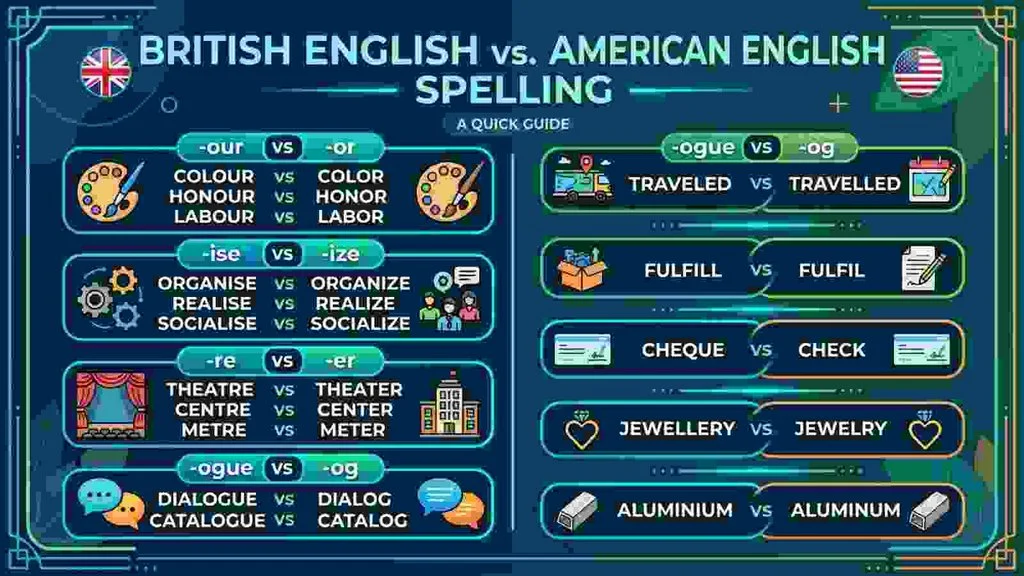
There is no standard British-American spelling difference between cuter and cutier.
Both major varieties of English use cuter as the standard comparative form.
| English variety | Correct form | Incorrect form |
| American English | cuter | cutier |
| British English | cuter | cutier |
| Canadian English | cuter | cutier |
| Australian English | cuter | cutier |
| International English | cuter | cutier |
The spelling rule remains the same across these varieties.
Comparative Form
The normal pattern is:
cute → cuter → cutest
Examples:
- The cat is cute.
- The kitten is cuter.
- That puppy is the cutest.
You do not normally write:
- cute → cutier → cutiest ❌
Which Spelling Should Use Cuter or Cutier ?
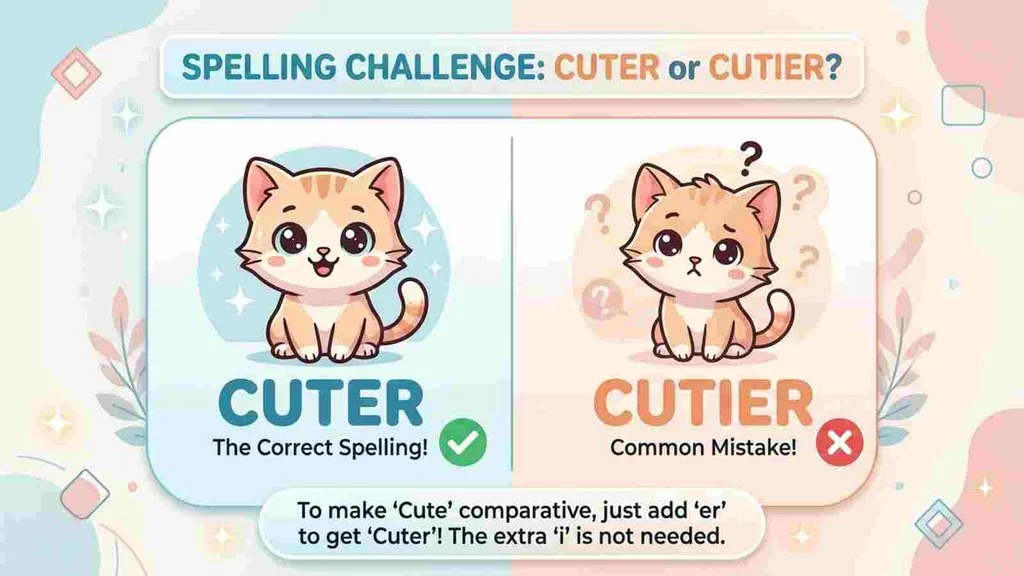
Use cuter in standard English writing.
For American English
Use:
This puppy is cuter than the other one.
For British English
Use:
This puppy is cuter than the other one.
The spelling does not change between these varieties.
For Formal Writing
Use cuter when the meaning fits your sentence. In very formal writing, you may sometimes choose a more precise word such as more attractive, more charming, or more appealing, depending on the context.
For Social Media
Cuter is completely normal:
This little kitten is even cuter today! 🐱
Common Mistakes with Cuter or Cutier
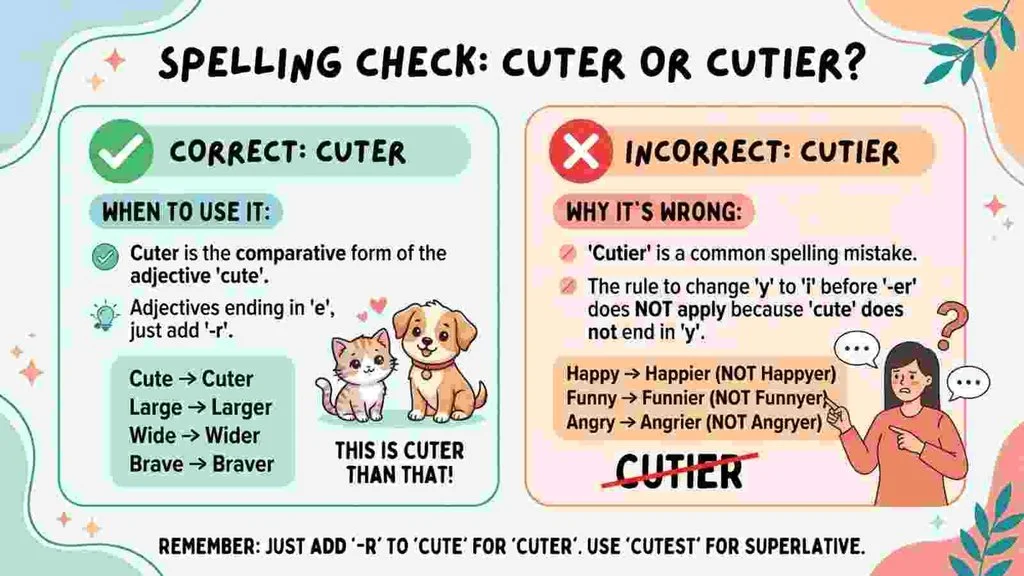
1. Writing “cutier”
❌ This puppy is cutier.
✅ This puppy is cuter.
The ending -ier is not used with cute.
2. Writing “cuteer”
❌ This dress is cuteer.
✅ This dress is cuter.
The final e is removed before -er.
3. Using “more cuter”
❌ This puppy is more cuter.
✅ This puppy is cuter.
Because cuter already expresses comparison, adding more is normally unnecessary.
4. Confusing “cuter” and “cutest”
Use cuter when comparing two things:
The blue dress is cuter than the pink one.
Use cutest when identifying the highest degree:
The blue dress is the cutest of the three.
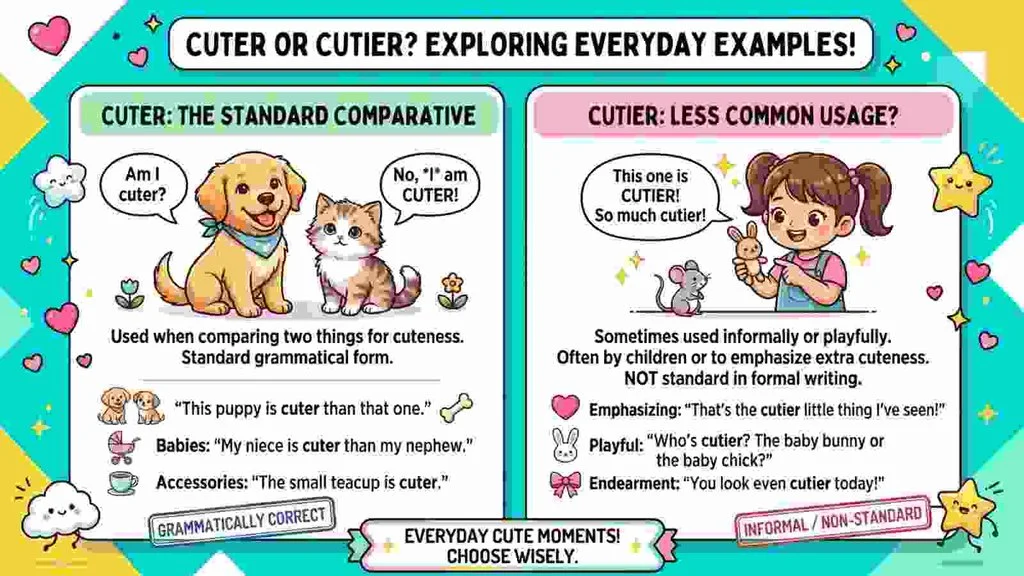
Cuter or Cutier in Everyday Examples
In Emails
I think the second design is cuter and would work better for the project.
In Social Media
Look at this puppy! It gets cuter every day.
In Text Messages
Your new profile picture is so much cuter!
In News or Lifestyle Writing
The new collection uses cuter designs and softer colors.
In Formal Writing
The revised design is visually cuter, although the original has a more formal appearance.
In Everyday Conversation
Which one do you think is cuter?
Cuter – Google Trends & Usage Data

Search interest for cuter and cutier can vary by country, age group, and search context. People often search the two forms together because they want to check spelling before writing a sentence.
Cuter is the standard English form, while cutier commonly appears as a spelling error or as an informal search query.
Google Trends can be useful for studying relative search interest, but it does not determine whether a spelling is grammatically correct. Search frequency can reflect mistakes, questions, autocorrect behavior, or curiosity.
For SEO content, this means an article can target the query “cuter or cutier” while clearly explaining that cuter is the standard form.
Cuter vs Cutier: Comparison Table
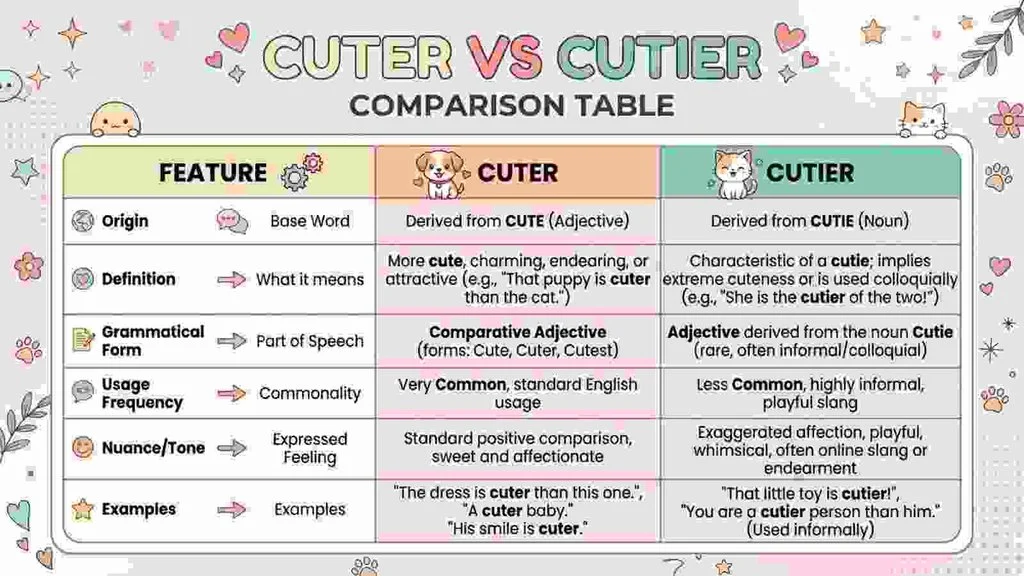
| Variation | Standard English? | Meaning | Example |
| cute | ✅ Yes | Attractive or charming | The puppy is cute. |
| cuter | ✅ Yes | More cute | The puppy is cuter. |
| cutest | ✅ Yes | Most cute | It is the cutest puppy. |
| cutier | ❌ No | Intended as comparative of cute | Avoid it. |
| cuteer | ❌ No | Incorrect formation | Avoid it. |
| more cuter | ❌ Usually incorrect | Double comparative | Use “cuter.” |
FAQs About Cuter or Cutier
Is “cuter” a correct word?
Yes. Cuter is the standard comparative form of cute.
Is “cutier” grammatically correct?
No. Cutier is not the standard comparative spelling of cute.
Is it cuter or cutier?
The correct form is cuter.
This kitten is cuter than that one.
Why is it “cuter” and not “cutier”?
Because cute does not end in y. Its final silent e is removed before adding -er.
cute → cuter
Is “more cute” correct?
More cute can occur in some contexts, but cuter is the normal comparative form for a simple comparison.
This puppy is cuter than that puppy.
Is “cutest” correct?
Yes. Cutest is the superlative form of cute.
She has the cutest dog in the neighborhood.
Does British English use “cutier”?
No. Standard British English uses cuter, just like standard American English.
What is the comparative form of cute?
Cuter is the comparative form of cute.
Is cuter a real word?
Yes, cuter is a real word and the standard comparative form of cute.
Is cutier a word?
No, cutier is not a standard word — it is generally considered an incorrect spelling of cuter.
What does cuter mean?
Cuter means more attractive, sweet, charming, or adorable than someone or something else.
Is it more cute or cuter?
Cuter is correct; use cuter instead of more cute for a simple comparison.
Conclusion
When choosing between cuter or cutier, the correct standard spelling is cuter.
The word comes from the adjective cute, and its comparative form follows the common rule of dropping the final silent e before adding -er.
So the pattern is simple:
cute → cuter → cutest
The spelling cutier is not the standard form. It may appear in searches, casual writing, or spelling mistakes, but it should be avoided in polished English.
Remember that cuter works in both American and British English. You can use it in everyday conversations, emails, social media posts, and most forms of general writing.
Once you understand this rule, similar words become easier to spell. When you see an adjective ending in a silent e, check whether that e should be removed before adding -er or -est.
If you are ever unsure, remember the simple rule: cute becomes cuter, not cutier.
Continue Reading:
- Steeling vs Stealing: Meaning, Spelling, and Usage ( for 2026)
- But vs Butt: Meaning, Spelling, and Examples ( for 2026)
- Transferring or Transfering: Spelling, Meaning, and Usage (for 2026)
- Selfs or Selves: Meaning, Grammar, and Examples (for 2026)

Here’s a concise 2-line author bio suitable for Simifind.com:
James Dashner is an American bestselling author best known for The Maze Runner series and other popular young-adult fiction.
On Simifind.com, he shares clear, engaging insights and helpful content for readers interested in books, writing, and popular literature.








34 thoughts on “Cuter or Cutier: Correct Spelling, Meaning, and Usage ( for 2026)”