Sign Up or Signup: Meaning, Difference, and Usage (for 2026)
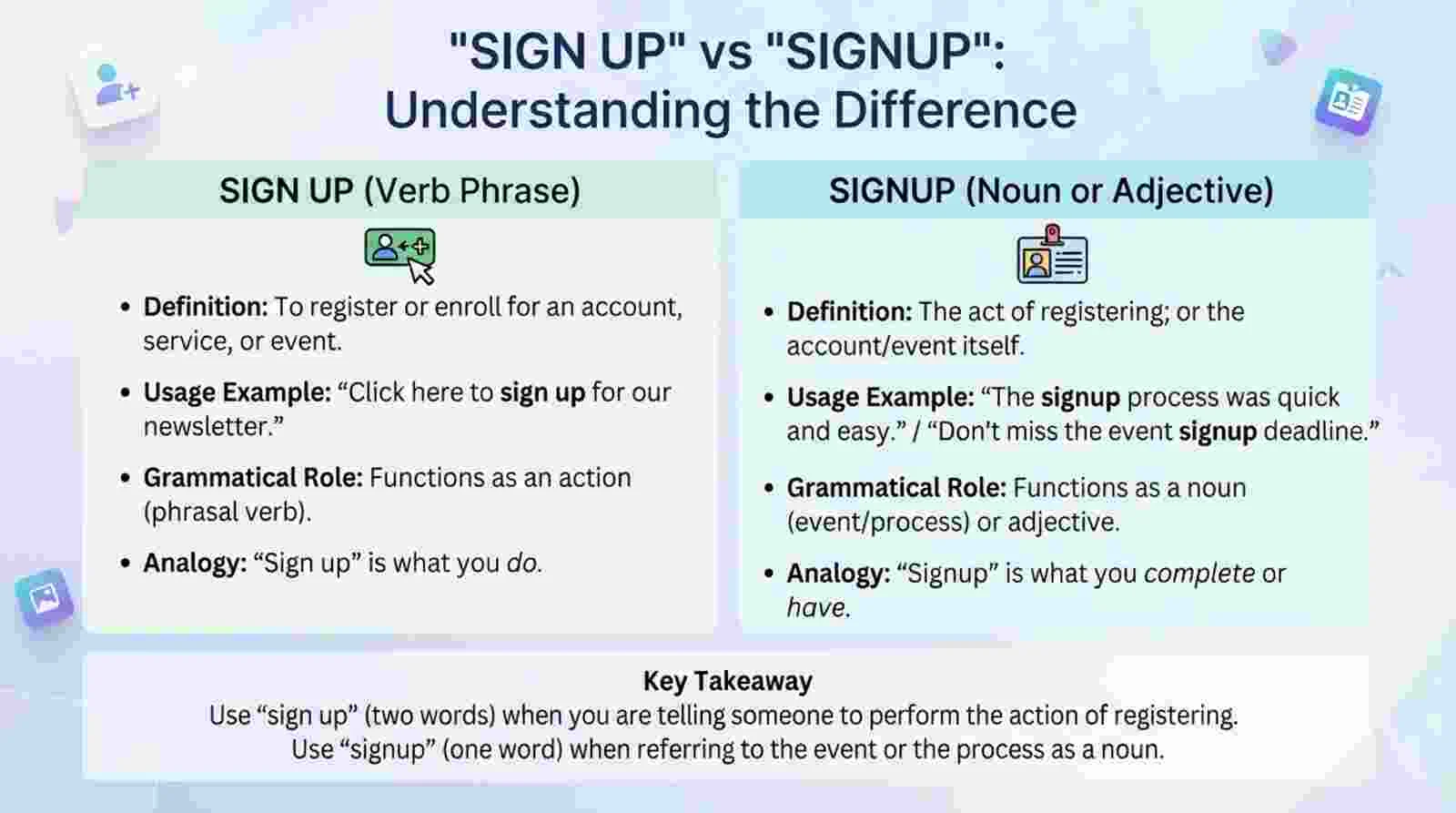
Sign up (two words) is the verb — “Please sign up here.” Sign-up (hyphenated) is the noun or adjective — ...
Read more
Login or Log In: Meaning, Difference, and Usage (for 2026)
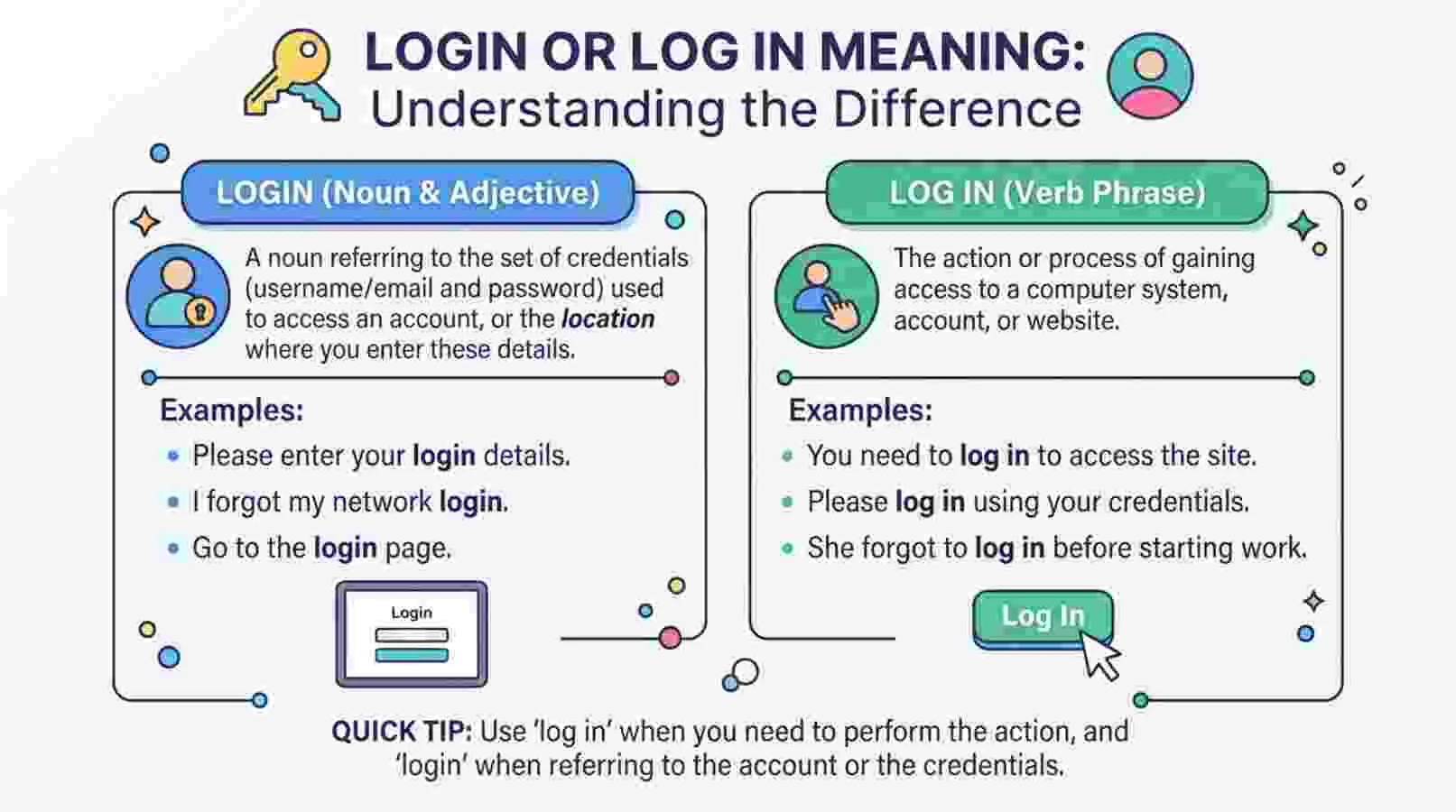
Log in (two words) is the verb — ‘Please log in to your account.’ Login (one word) is the noun ...
Read more
Setup or Set Up: Meaning, Difference, and Usage (for 2026)
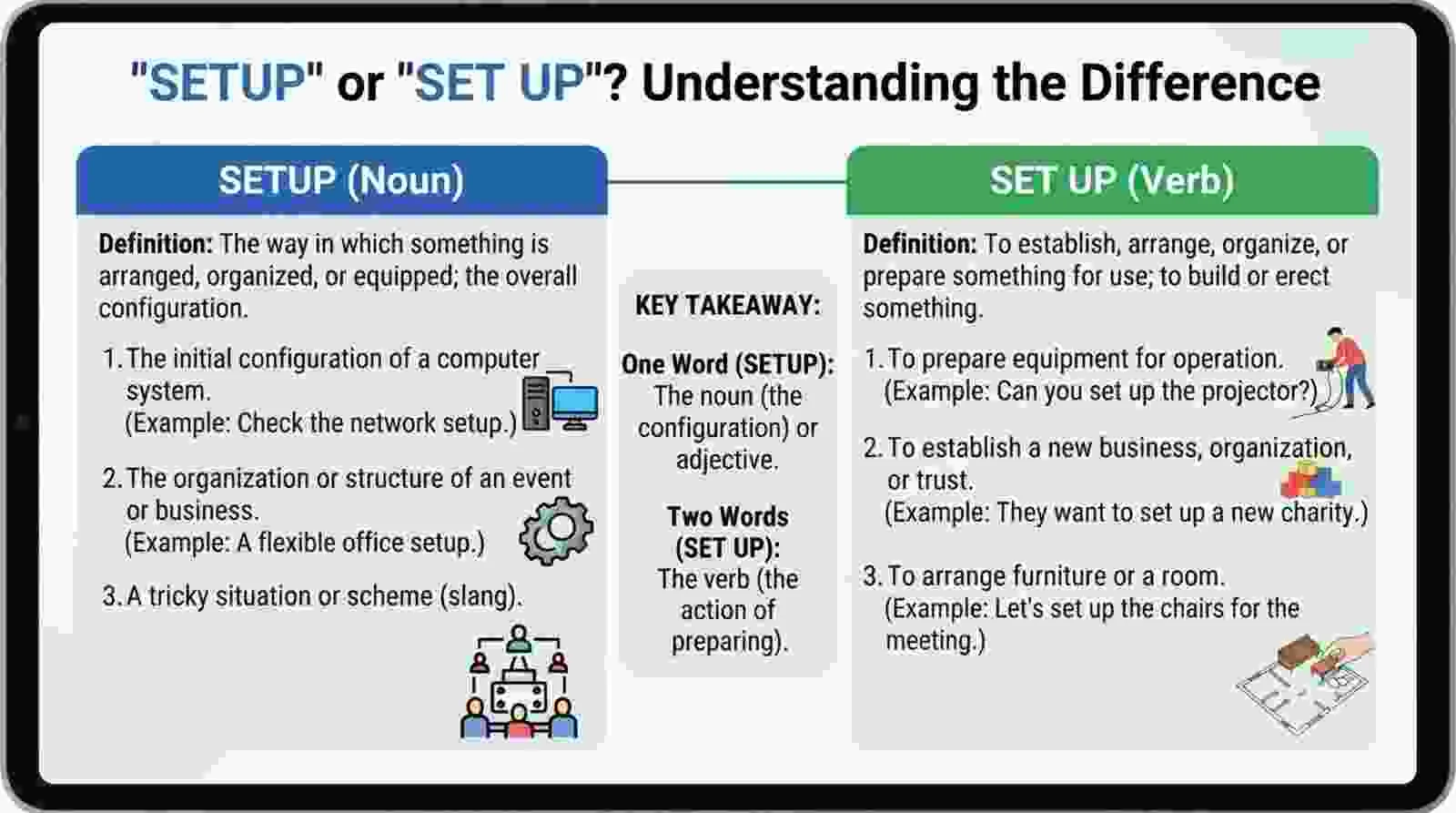
Set up (two words) is the verb — ‘Please set up your account.’ Setup (one word) is the noun or ...
Read more
Altogether vs All Together: Meaning, Difference, and Usage (for 2026)
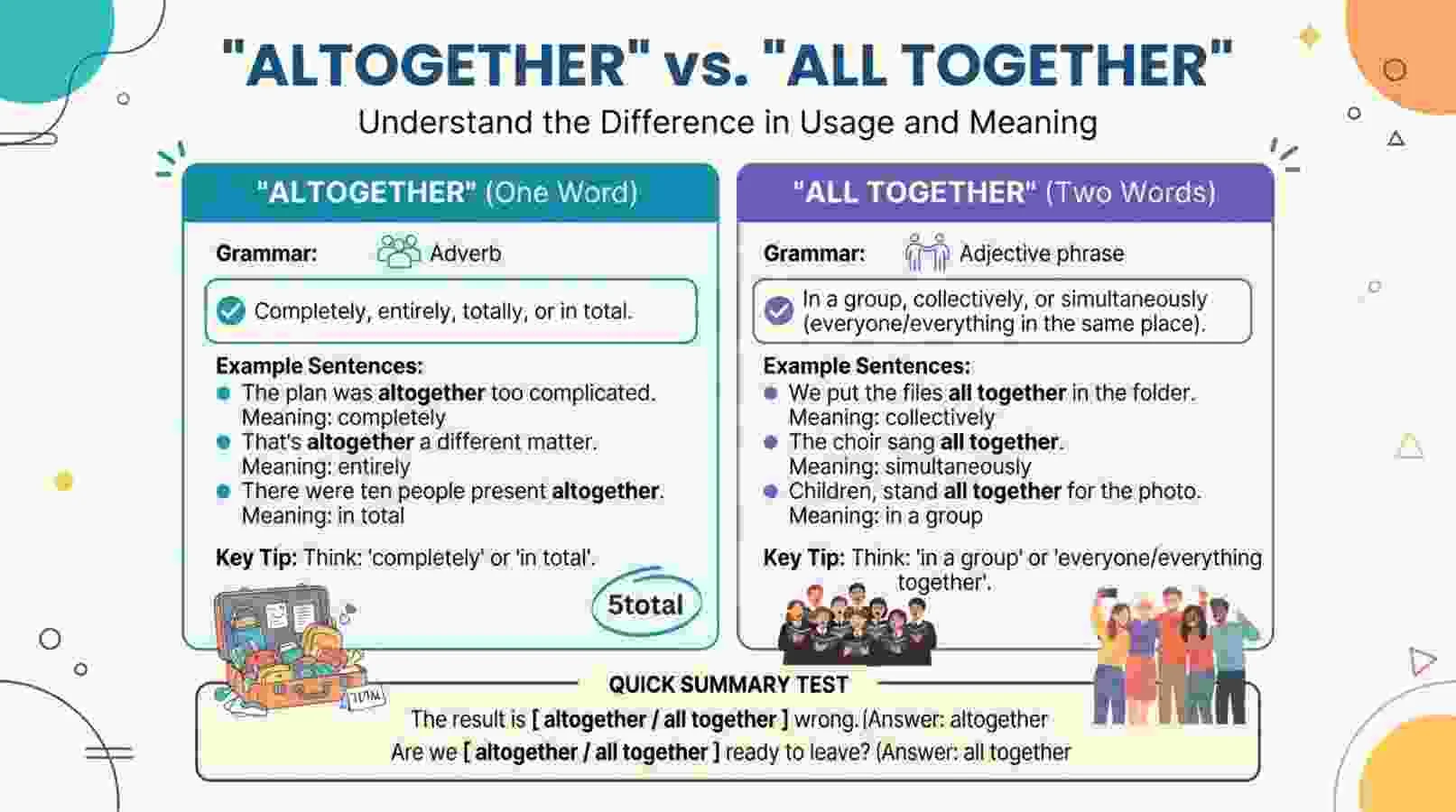
Have you ever stopped while writing because you were unsure whether to use altogether or all together? You are not ...
Read more
Awhile or A while: Meaning, Difference, and Usage (for 2026)
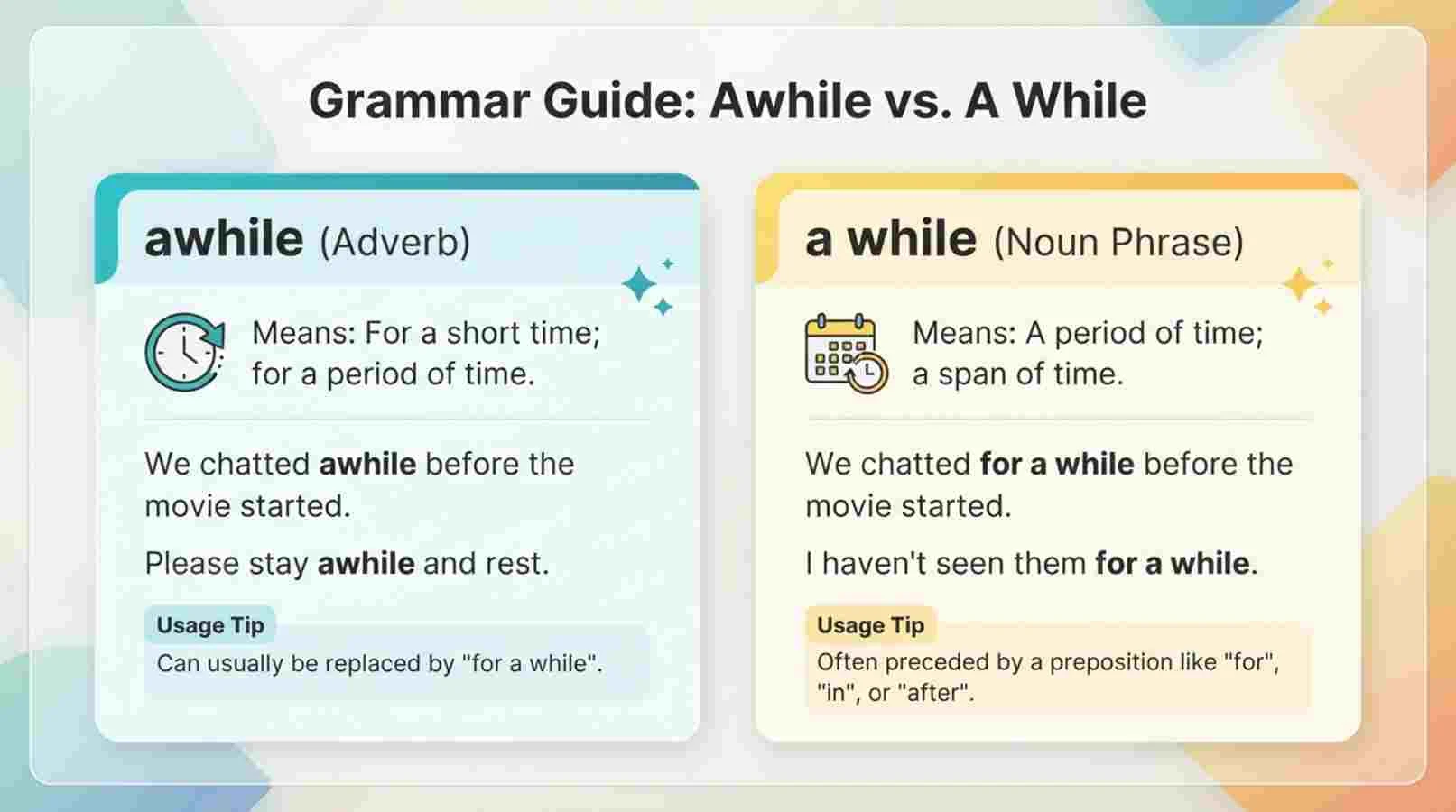
Have you ever stopped while writing because you were unsure whether to use awhile or a while? You are not ...
Read more
Everyday or Every Day: Meaning, Spelling, and Usage (for 2026)
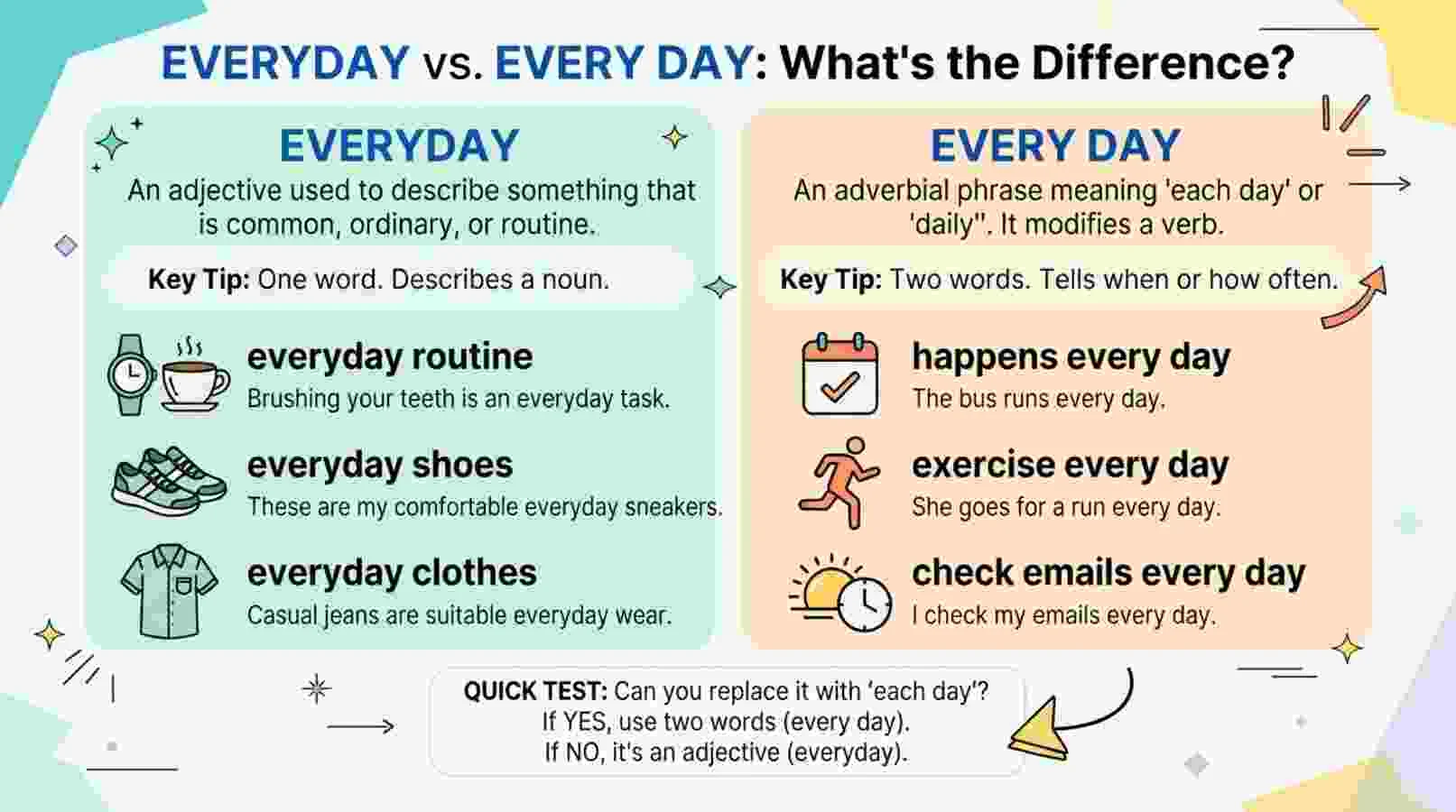
Everyday is an adjective meaning ordinary or daily — ‘everyday shoes’, ‘everyday life’. Every day is a phrase meaning each ...
Read more
Practice or Practise: Meaning, Difference, and Usage (for 2026)
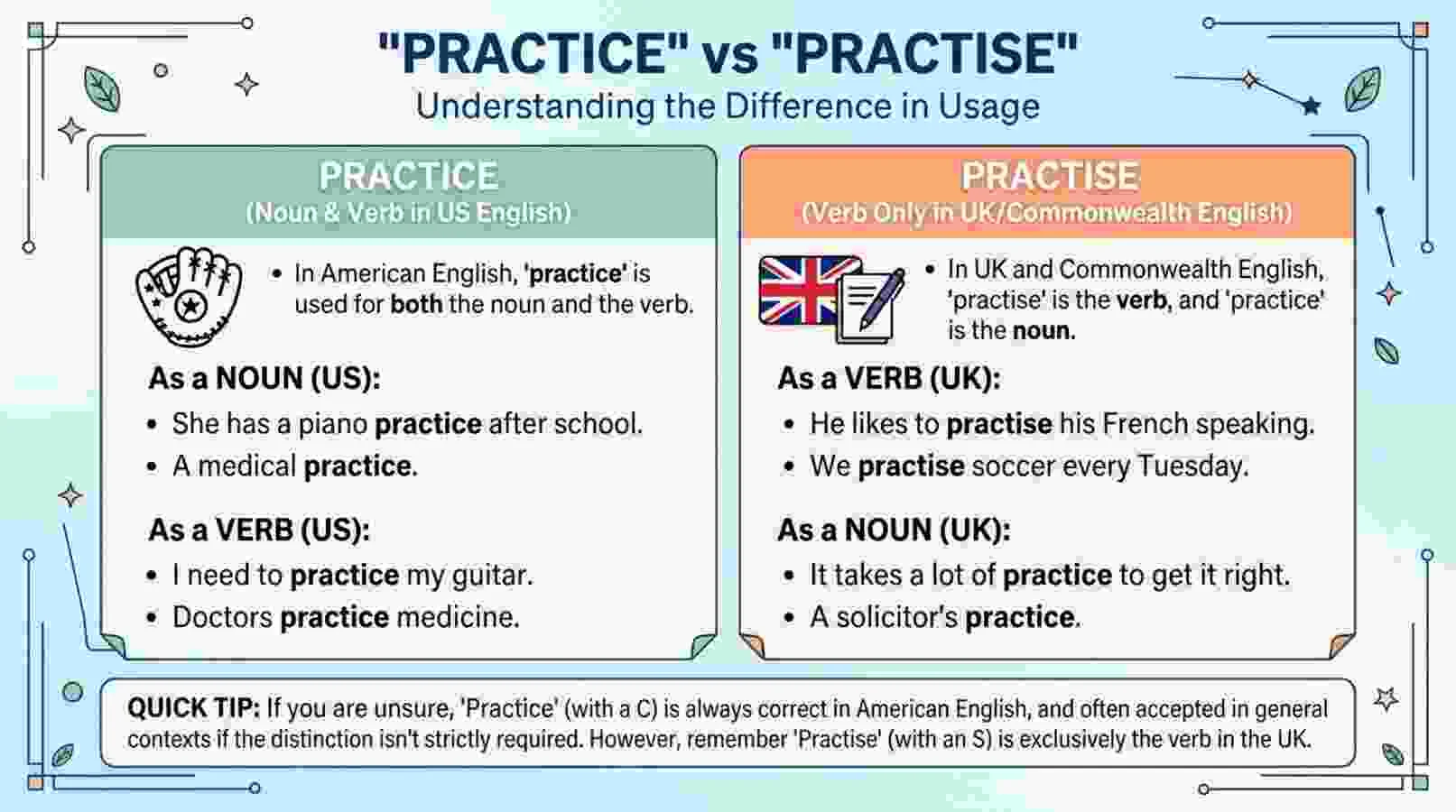
Practice is the noun in both British and American English, and the only spelling in American English. In British English, ...
Read more
Principal or Principle: Meaning, Usage, and Examples (for 2026)
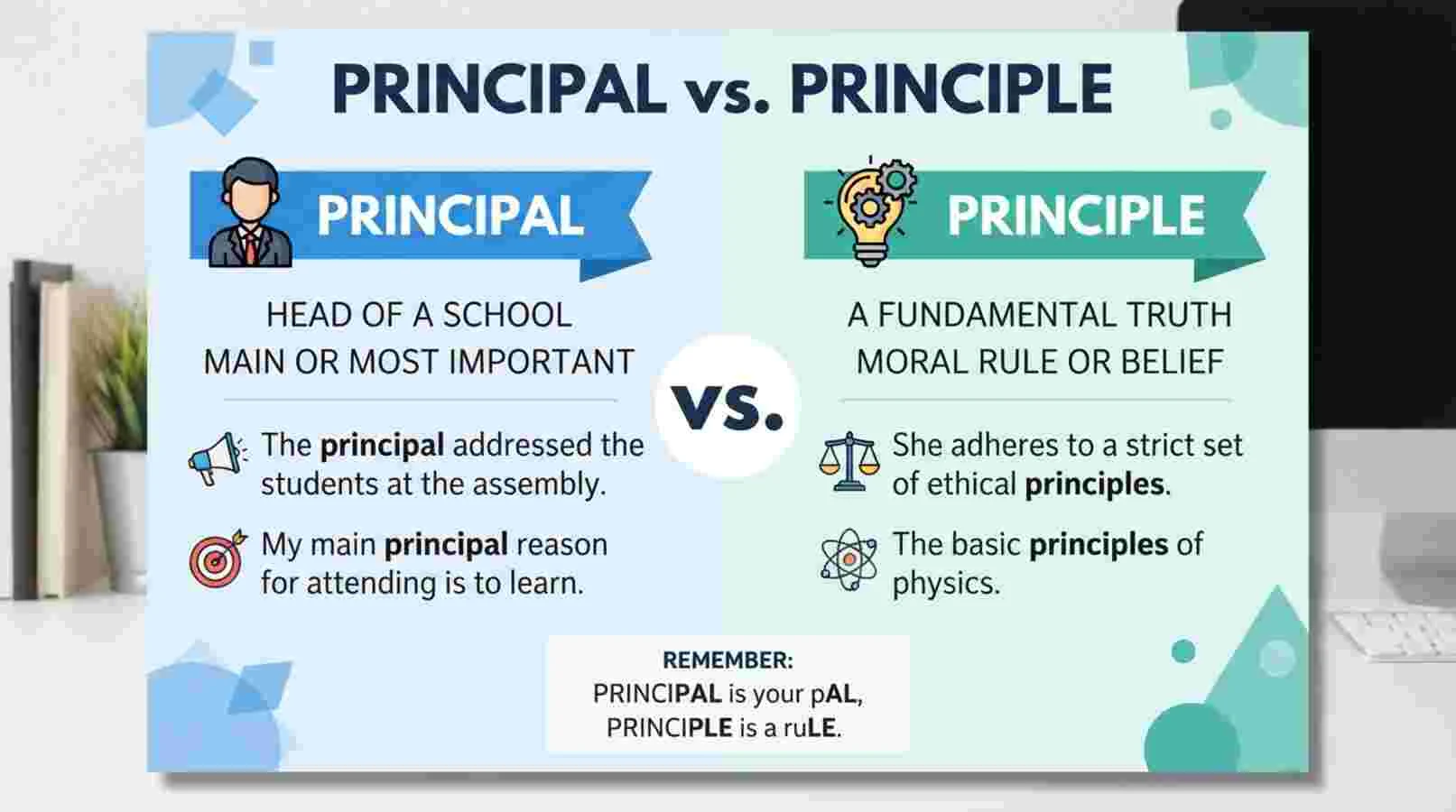
Principal means the main person or thing — the head of a school, the main sum of money in a ...
Read more
Imply vs Infer: Meaning, Examples, and Grammar Rules (for 2026)
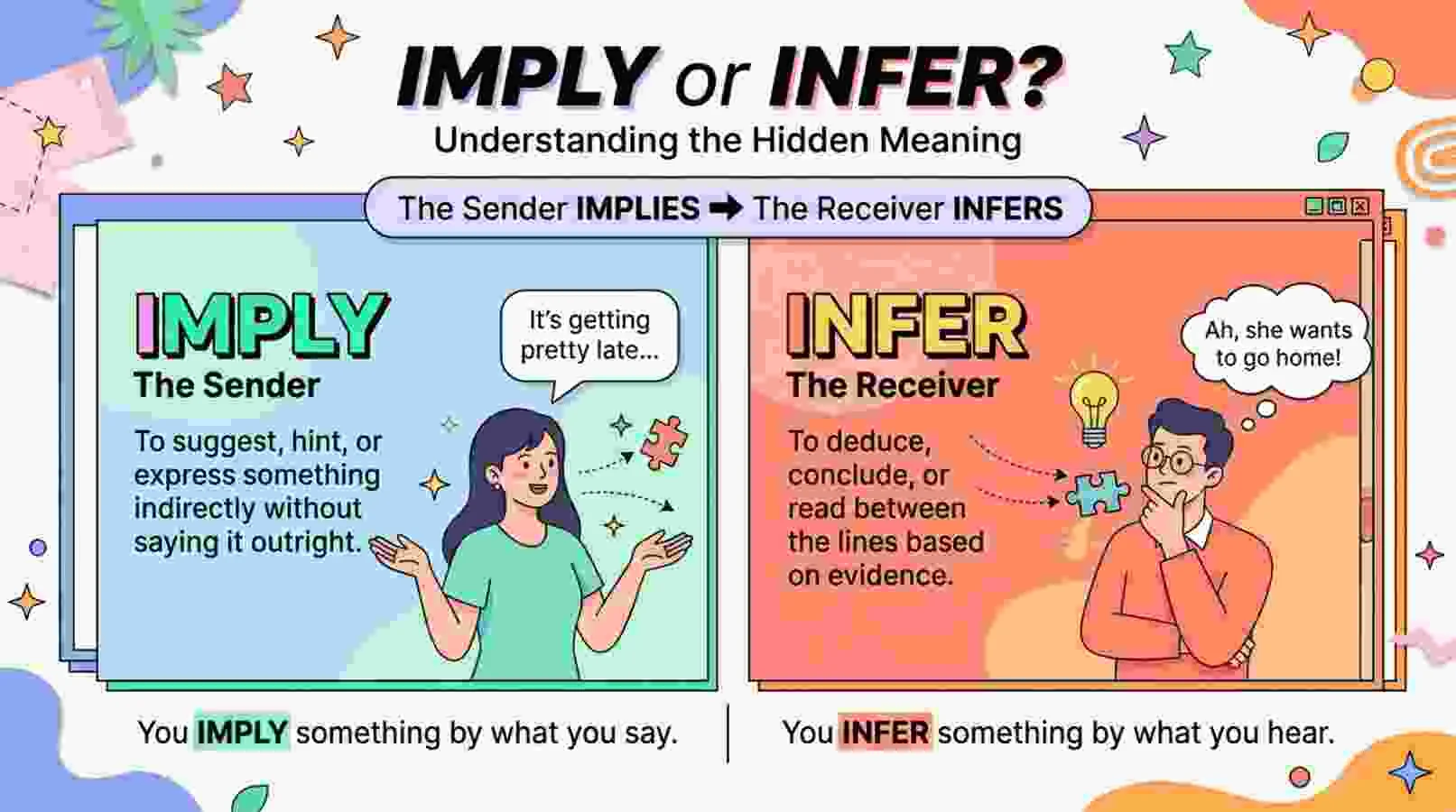
Imply means to suggest something without saying it directly — the speaker implies. Infer means to work out what someone ...
Read more







